AI Coding Tools Privacy Guide: What Happens to Your Code When You Use Them?
What happens to your code when you use AI coding tools? GitHub Copilot, Cursor, and Tabnine privacy policies compared, with options for fully private local coding.
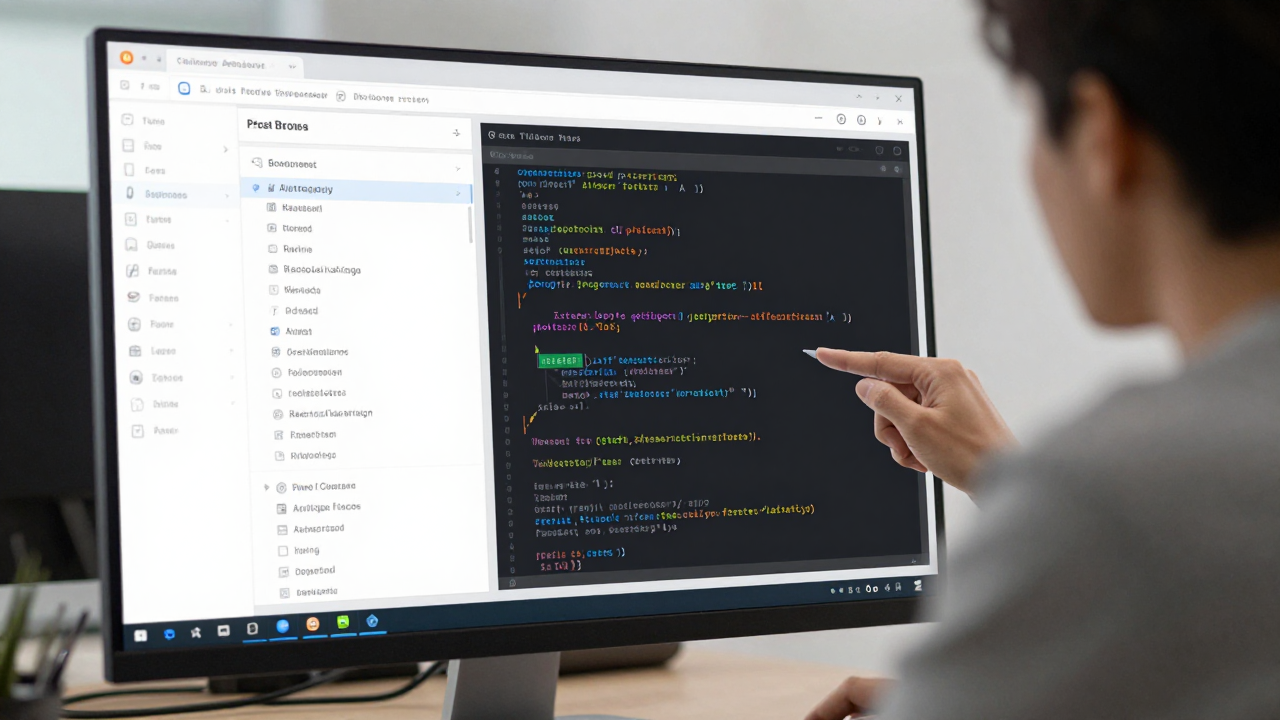
AI Coding Tools Privacy Guide: What Happens to Your Code When You Use Them?
Every time you use a cloud-based AI coding assistant, your code is transmitted to external servers. Here is what actually happens and what your options are.
The Questions Every Developer Should Ask
Before choosing an AI coding tool, ask: Is my code used to train the model? Is code sent to external servers during use? How long is it retained? Can I opt out of data collection? What happens if there is a breach?
GitHub Copilot Business: What Microsoft Says
The Individual tier allows telemetry and may use snippets for model improvement (you can opt out). The Business and Enterprise tiers: telemetry is off by default, code snippets are sent to OpenAI servers for inference, Microsoft''s enterprise agreements provide data protection clauses, and code is not used to train public models. For teams handling sensitive code, the Business tier with enterprise data protection is the minimum acceptable option.
Tabnine: The Privacy-First Choice
Tabnine offers a local model option where code never leaves your machine at all. The SOC 2 Type 2 certification means it has passed independent security audits. This makes it the standard choice for finance, healthcare, government, and defense contractors. The trade-off is reduced completion quality compared to cloud models.
Cursor: Improving but Not There Yet
Cursor sends code to Anthropic or OpenAI models by default. A Privacy Mode is available and recommended for sensitive work. SOC 2 certification was in progress as of early 2026. For regulated environments, Cursor is not the right choice until compliance certifications are complete.
The Fully Private Option: Continue.dev + Ollama
Continue.dev with a local Ollama model means zero code leaves your machine and there is no subscription cost. Setup requires more technical work, but organizations with strict compliance requirements increasingly use this stack.
Related Articles

AI Coding for Beginners: How New Developers Should Use AI Without Becoming Dependent
How beginner developers should use AI coding tools without becoming dependent. Use AI to learn and explain code, not just to ship code you do not understand.
Local AI Models for Coding: How to Run Ollama and Keep Your Code Private
How to run local AI models for coding using Ollama. Hardware requirements, setup steps, connecting to VS Code via Continue.dev, and realistic quality expectations.
GitHub Copilot Full Review 2026: Is the $10/Month Subscription Worth It?
GitHub Copilot $10/month reviewed for 2026. What you get, real productivity impact, ROI calculation, free tier options, and how it compares to alternatives.